

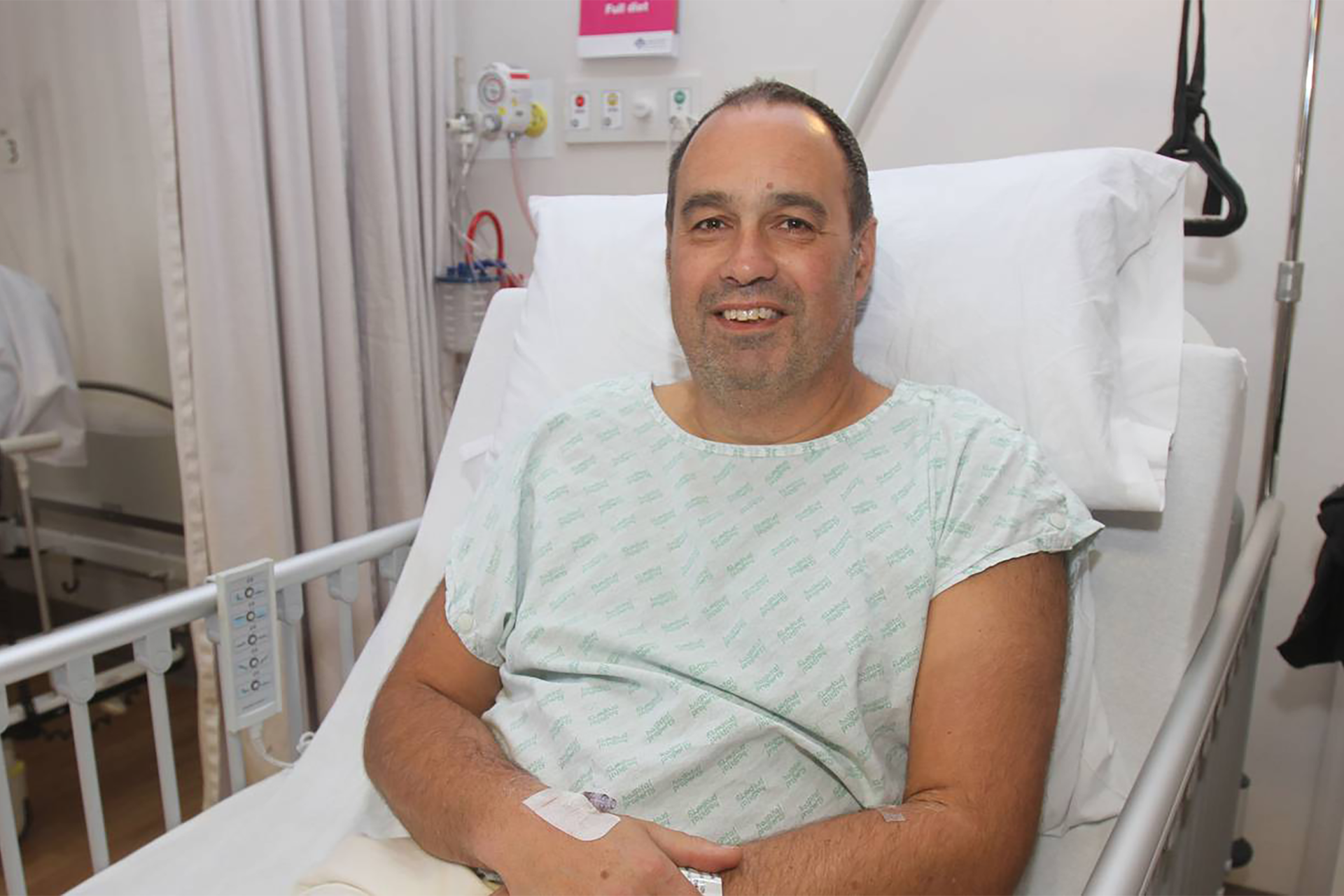
For New Zealand’s Don Stevens, it was the distress signal from his personal locator beacon (PLB) relayed by the next-generation MEOSAR satellite system to Rescue Coordination Centre New Zealand in only four minutes—50 minutes sooner than if the existing system picked up the same distress signal.
McMurdo was instrumental in all phases of the rescue from the McMurdo FastFind 220 PLB to the McMurdo MEOSAR satellite ground stations to the McMurdo Mission Control and Rescue Coordination Centre systems.
Faster Speed and Accuracy
The new search and rescue satellite system covering New Zealand had only been operating in test mode for three days when Don Stevens activated his PLB. Yet this next generation system is already demonstrating the significant impact it will have on the speed and accuracy of locating people in distress.
According to Rescue Coordination Centre New Zealand Manager Mike Hill, “The extra time created by receiving the signal faster was invaluable, and potentially lifesaving. It meant we could get the search operation underway earlier, and that made all the difference with the limited daylight hours that are available at this time of year.”
McMurdo completed the installation of a six-antenna MEOSAR satellite ground station system in New Zealand in late 2015, the first implementation of MEOSAR in Asia Pacific. The project, which was part of a joint initiative with Maritime New Zealand and the Australian Maritime Safety Authority, was expected to significantly boost search and rescue capability in the New Zealand and Australia search regions.
Read more here.